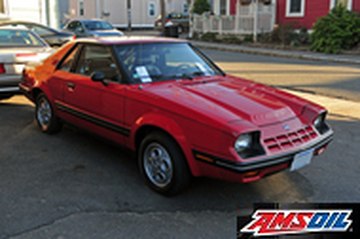
Engine Oil Maintenance for the 1983 Ford EXP 1.6L
Maintaining proper lubrication is one of the most critical aspects of preserving the longevity and operational integrity of your vehicle's engine. For owners of a 1983 Ford EXP with the 1.6L engine, understanding the correct components and fluids to use during routine service helps ensure the engine continues to operate as intended.
What oil filter is listed for my 1983 Ford EXP 1.6L?
The following oil filters are listed for this vehicle: the EAO34-EA from AMSOIL Ea Oil Filters and the 51516-EA from WIX Oil Filter.
Understanding Engine Oil Viscosity
Engine oil viscosity refers to a fluid's resistance to flow. When selecting an oil for your engine, using the correct viscosity is important for ensuring that the lubricant can reach critical internal components quickly during startup and maintain a consistent film strength while the engine is running at various temperatures. For this specific 1983 Ford EXP 1.6L application, the database allows for the use of 5W-30 oil.
Choosing an oil that meets these requirements helps manage the balance between flowability in cold conditions and protection during high-temperature operation. Always refer to your owner's manual or manufacturer documentation to confirm the recommended viscosity for your specific operating environment and engine condition.
The Role of the Oil Filter
An oil filter is a vital component of the lubrication system. Its primary function is to capture contaminants, such as microscopic metal particles, carbon deposits, and dust, before they can recirculate through the engine. If a filter becomes clogged or fails, it can impede the flow of oil, potentially leading to increased wear on moving parts.
When performing an oil change, it is standard practice to replace the oil filter at the same time as the oil itself. This ensures that fresh lubricant is not immediately contaminated by the debris trapped in the old filter. When selecting a replacement, ensure you are using one of the filters listed for your vehicle to maintain system consistency.
Routine Oil Inspection Procedures
Regularly checking your engine oil level is a simple but essential maintenance task. You should perform this check when the engine is cool and the vehicle is parked on a level surface. Most vehicles utilize a dipstick located under the hood for this purpose.
During your inspection, look for more than just the quantity of oil. Pay attention to the color and consistency of the fluid. While oil naturally darkens over time as it collects contaminants, extremely dark or gritty oil may indicate that a service interval has been exceeded. Additionally, checking for signs of milky discoloration can help identify potential issues with coolant intrusion into the lubrication system.
Managing Service Intervals
To keep your engine in optimal condition, you must adhere to a consistent maintenance schedule. The frequency at which you should change your oil and filter depends on various factors including driving habits and environmental conditions.
Because specific mileage or time intervals are not provided in this technical summary, you should follow the manufacturer's maintenance schedule found in your owner's manual. Keeping a record of when you performed your last service can help you stay on track with these recommended intervals and prevent unnecessary engine wear caused by degraded oil.
Signs of Lubrication Issues
Being observant of how your vehicle behaves can provide early warnings regarding the health of your lubrication system. Common indicators that may require immediate attention include:
- Warning Lights: If the oil pressure warning light illuminates on your dashboard, it indicates a potential drop in pressure or a sensor issue that needs to be addressed immediately.
- Unusual Noises: Tapping, clicking, or knocking sounds coming from the engine area can sometimes be attributed to insufficient lubrication or low oil pressure.
- Visible Leaks: Puddles of oil on your driveway or stains around the engine block suggest a leak in a gasket, seal, or the filter itself.
- Excessive Smoke: While some exhaust smoke is normal depending on conditions, certain types of smoke can indicate that oil is entering the combustion chamber.
BUYING ENGINE OIL
When you are ready to purchase new lubricant, ensure you are selecting a product that meets the requirements for your 1983 Ford EXP 1.6L. Focus on finding an oil that matches the allowed viscosity of 5W-30. It is helpful to check the labels on the containers to confirm they meet the necessary standards for your engine type. When shopping, consider purchasing both your oil and a listed oil filter at the same time to ensure you have all the necessary components ready for your next scheduled maintenance service.